Pityriasis Rosea Herald Patch Fading
Pityriasis Rosea What Is It? Pityriasis rosea is a harmless skin disease that causes scaly patches that sometimes itch over the torso, neck, arms and legs. Anyone can get it, but it is most common in people ages 10 to 35.
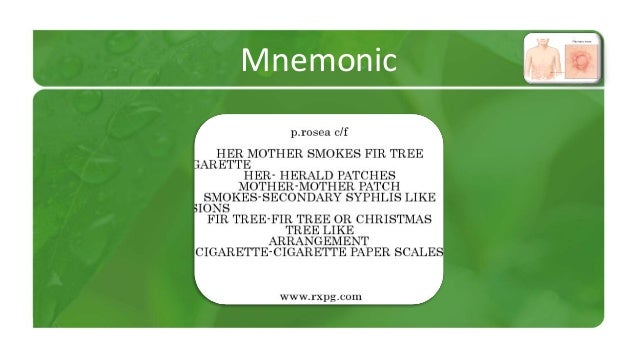
Typically, the disease begins with the appearance of a single large, pink, scaly, oval patch, called the 'herald patch.' This patch is approximately 1 inch to 2 inches long. It tends to have a salmon-colored center surrounded by a darker pink ring, which some people mistake as a sign of ringworm. Within about two weeks, many smaller patches appear, sometimes hundreds of them. They appear mainly on the abdomen and back. On the back, the patches tend to line up along the ribs, giving the rash a distinct 'Christmas tree' pattern.
The rash goes away on its own, usually within two months. Any skin discoloration from the rash will fade after another few months.
How do I know when pityriasis rosea is. I first saw my herald patch. Spot but little by little they are fading away and to be completely honest I'm.
No one knows what causes pityriasis rosea. It seems to occur most often in spring and autumn. It is not thought to be contagious, and it does not lead to any other disorder. Symptoms The main symptoms of pityriasis rosea are the appearance of the herald patch followed by a more diffuse rash of smaller patches.
The patches tend to be oval, scaly, and dry to the touch. They may be pink, red or brown and generally appear on the abdomen, back, neck, arms and legs. Only rarely do the patches appear on the face. Sometimes, the rash can be associated with mild itching. Diagnosis In most cases, a physician or dermatologist can diagnose pityriasis rosea simply by looking at it.
Although there is no specific blood test to diagnose pityriasis, blood testing may be ordered to exclude other diagnoses. If there is any question of a skin fungus, a scraping of the edge of a spot will be placed on a slide and examined under the microscope.
Rarely, a skin biopsy is needed to confirm the diagnosis. In a biopsy, a small piece of tissue is removed and sent to a laboratory to be examined.
Expected Duration After the initial rash, or herald patch, appears, the secondary rash of smaller patches appears within about 2 to 14 days. This more widespread rash generally lasts 3 to 8 weeks but may linger for months. Prevention Because no one knows what causes pityriasis rosea, there is no way to prevent it. It does not appear to be contagious. Treatment There are no treatments that cure pityriasis rosea; the disease must run its course. However, itching, if present, can be treated in several ways. An over-the-counter a lotion that cools the skin (such as one with camphor or menthol) or corticosteroid cream (such as or Cortaid) may be enough to provide relief.
For more severe itching, oral antihistamines may be prescribed. In very severe cases, or if the rash lasts longer than usual or the rash covers a large part of the body, ultraviolet (UV) light therapy may be recommended.
Doses of UV-B rays, similar to the sun's rays, are given by exposing the skin to the light rays for short periods of time over several days. The skin may turn slightly red, similar to a mild sunburn. The red spots may appear more prominently after a hot shower or bath and after heavy physical activity. The condition doesn't get worse. The rash simply becomes more noticeable. When To Call a Professional See a health care professional if you or your child develops an unexplained rash. Although treatment is not necessary for pityriasis rosea, its symptoms are similar to other skin diseases, such as ringworm, that need to be treated.
Your physician can diagnose the problem and recommend appropriate treatment. Prognosis The outlook is excellent. Korg sdd 3300 user manual.
Most cases clear up within two months. The rash rarely returns.
Although some people, especially those with dark skin, experience some skin discoloration from the rash spots, it usually fades with time. Generally, there are no lasting effects. External resources American Academy of Dermatology P.O. Box 4014 Schaumburg, IL Phone: 847-330-0230 Toll-Free: 1-888-462-3376 Fax: 847-240-1859. Biktarvy (bictegravir, emtricitabine and tenofovir alafenamide) is an integrase strand transfer inhibitor and. Segluromet (ertugliflozin and metformin hydrochloride) is a sodium glucose co-transporter 2 (SGLT2) inhibitor. Steglujan (ertugliflozin and sitagliptin) is a sodium glucose co-transporter 2 (SGLT2) inhibitor, and.
Steglatro (ertugliflozin) is a sodium-glucose co-transporter-2 (SGLT2) inhibitor to help improve glycemic. Ozempic (semaglutide) is a glucagon-like peptide-1 (GLP-1) analog administered once-weekly for the treatment. Juluca (dolutegravir and rilpivirine) is a single-tablet, two-drug regimen of the approved drugs dolutegravir.
Pityriasis Rosea Pityriasis rosea (Pit-ih-RYE-ah-sis Ro-ZEA) is a rash that can occur at any age but it occurs most commonly in people between the ages of 10 and 35 years. The rash can last from several weeks to several months. Usually there are no permanent marks as a result of this disease, although some darker-skinned persons may develop long-lasting flat brown spots that eventually fade. What are the signs and symptoms of this disease? The condition often begins as a large single pink patch on the chest or back.
This patch may be scaly and is called a 'herald' or 'mother' patch. Often the person with this condition will think this patch is a ringworm and will apply creams that are used to get rid of fungus.
This will not help since the rash is not caused by a fungus. Within a week or two, more pink patches, sometimes hundreds of them, appear on the body and on the arms and legs. Patches may also occur on the neck, and though rare, the face. These spots usually are smaller than the 'herald' patch and may also be mistaken for ringworm. The patches are oval and often form a pattern over the back that resembles the outline of a Christmas tree. Sometimes the disease can produce a more severe and wide-spread skin eruption.
About half the patients will have some itching, especially when they become overheated. Occasionally there may be other symptoms, including tiredness and aching. The rash usually fades and disappears within six to eight weeks, but can sometimes last much longer. Physical activity - like jogging and running, or bathing in hot water may cause the rash to temporarily worsen or reappear. In some cases, the patches will reappear up to several weeks after the first episode and can continue for many months.
What is the cause of this skin disorder? The cause is unknown. It is not caused by a fungus or bacteria. It also is not due to any type of allergy.
Pityriasis rosea is not a sign of any internal disease. A virus may cause a rash. Like other known viral diseases, pityriasis rosea usually occurs only once in an individual, and occasionally makes a person feel slightly ill. But the virus theory has not been proven.
Treatment
Unlike many viruses, however, pityriasis rosea does not seem to spread from person to person. How is it diagnosed? Diagnosis is usually made by a dermatologist, a physician with special training in skin diseases. Pityriasis rosea usually affects the back, neck, chest, abdomen, upper arms, and legs.
The rash may differ from person to person, making the diagnosis more difficult. The numbers and sizes of the spots can also vary and occasionally the rash can be found in an unusual location, such as the lower body or on the face.
Fungus infections, like ringworm, may resemble this rash. Reactions to certain medications, such as antibiotics, 'water pills' and heart medications can also look the same as pityriasis rosea. The dermatologist may order blood tests, scrape the skin, or take a sample from one of the spots (skin biopsy) and examine it under a microscope to make the diagnosis. What is the treatment? Treatment may include external or internal medications for itching.
Herald Patch
Soothing medicated lotions and lubricants may be prescribed. Lukewarm rather than hot baths may be suggested. Strenuous activity that could aggravate the rash should be avoided.
Pityriasis Rosea Herald Patch
Ultraviolet light treatments given under the supervision of a dermatologist may be helpful. Occasionally anti-inflammatory medications such as corticosteriods may be necessary to stop itching or make the rash go away.
Patients should be reassured that this disease is not a dangerous skin condition even if it occurs during pregnancy. Remember that pityriasis rosea is a common skin disorder and is usually mild. Most cases usually do not need treatment and fortunately even the most severe cases eventually go away.